
Does Vyvanse increase blood pressure? Yes — Vyvanse increases blood pressure, and this is explicitly stated in its FDA prescribing label under Section 5.3: “CNS stimulants cause an increase in blood pressure and heart rate. Monitor all VYVANSE-treated patients for potential tachycardia and hypertension”. On average, Vyvanse raises systolic blood pressure by approximately 2–4 mmHg and diastolic blood pressure by approximately 2 mmHg, with heart rate increases of 3–6 beats per minute — confirmed by a Cochrane review of 56 randomised controlled trials involving over 10,000 participants. While these mean increases are modest, individual responses vary considerably, and a meaningful subset of patients experience substantially larger elevations that require clinical management.
The Clinical Evidence: What the Data Shows
The blood pressure elevation from Vyvanse is among the most thoroughly documented of its cardiovascular effects:
The Cochrane Review (56 RCTs, 10,000+ participants):A comprehensive Cochrane meta-analysis with high-certainty evidence confirmed that amphetamines including lisdexamfetamine increase systolic blood pressure by 1.93 mmHg and diastolic blood pressure by 1.84 mmHg on average. Critically, these are mean increases — the population-level central tendency obscures a distribution in which some patients experience 5–10+ mmHg increases while others show minimal change.
The FDA Label Warning:The FDA prescribing information for Vyvanse explicitly documents mean increases of 2–4 mmHg systolic and 3–6 bpm heart rate, and explicitly requires monitoring at all patient visits throughout treatment. This is a class warning that applies to all CNS stimulants, not unique to Vyvanse — but Vyvanse’s once-daily sustained release means the elevation is sustained for a longer window than shorter-acting formulations.
The University of Southampton Network Meta-Analysis (2025):A 2025 study from the University of Southampton, analysing 102 randomised controlled trials, found that all ADHD medications except guanfacine were associated with small increases in blood pressure and heart rate after weeks or months of treatment. The effects were described as “overall small” at the population level but consistent and sustained.
The 10% New-Onset Hypertension Finding:In patients with pre-existing mild hypertension, a study found that 10% of adults on active ADHD medications developed new-onset clinical hypertension (BP ≥140/90 mmHg) during treatment. This is a clinically significant rate — 1 in 10 borderline hypertensive patients crossing into confirmed hypertension from ADHD medication is a meaningful risk in cardiovascular terms.
The Long-Term Data: What Happens Over Years
The long-term cardiovascular picture from Vyvanse is more complex than the short-term data and is the subject of active scientific attention:
The 2024 Swedish Case-Control Study (278,027 individuals with ADHD):A landmark Swedish study following 278,027 people with ADHD over up to 14 years found:
- ADHD medication use for 3–5 years was associated with an adjusted odds ratio of 1.72 for hypertension
- Use for more than 5 years was associated with an AOR of 1.80 for hypertension
- Each additional year of ADHD medication use was associated with a 4% increased cardiovascular disease risk
- The largest increase occurred in the first 3 years of use
- Risks were highest with higher average medication doses
This data has been extensively discussed in the RACGP clinical press in Australia, which noted the findings while emphasising that absolute risk remains low and the benefit-risk balance remains favourable for most patients with appropriately managed monitoring.
The important context:These long-term studies measure association, not proven causation, and do not fully disentangle the contribution of ADHD itself — a condition independently associated with cardiovascular risk factors including impulsivity-driven lifestyle choices, obesity, and substance use — from the medication effect. The RACGP’s commentary on the Swedish study was measured: “The absolute risk remains low, but the findings reinforce the importance of cardiovascular monitoring throughout ADHD medication treatment”.
The Mechanism: Why Vyvanse Raises Blood Pressure
The mechanism is direct, pharmacologically specific, and well-understood:
Vyvanse’s active component — dextroamphetamine — is a sympathomimetic agent that mimics and amplifies the effects of the sympathetic nervous system. It does this by:
- Increasing norepinephrine release from presynaptic terminals throughout the body — norepinephrine activates alpha-1 adrenergic receptors on blood vessel walls, causing vasoconstriction and directly raising systemic vascular resistance (and therefore blood pressure)
- Blocking norepinephrine reuptake — increasing the concentration and duration of norepinephrine’s action at adrenergic receptors
- Increasing heart rate and cardiac output — norepinephrine and dopamine activation increases heart rate and myocardial contractility, elevating the cardiac output component of blood pressure
- Activating the renin-angiotensin system — sympathetic activation stimulates renin release from the kidneys, activating the angiotensin cascade that retains sodium and raises blood pressure through a hormonal pathway
The combination of increased vascular resistance, increased cardiac output, and renin-angiotensin activation explains both the immediate, dose-dependent nature of the blood pressure elevation and its sustained character throughout the active window.
How Much Does Vyvanse Raise Blood Pressure?
The population-level averages obscure the clinically important individual variation:
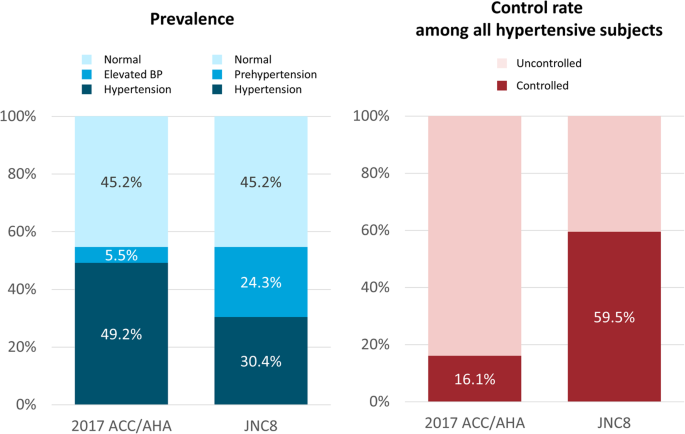
A reading of 138/80 mmHg — a value specifically assessed in clinical guidance for Vyvanse patients — represents Stage 1 hypertension by ACC/AHA criteria and formally requires intervention, even though this is an expected and common occurrence in adults on stimulant therapy.
Who Is Most at Risk of Clinically Significant Blood Pressure Elevation
Not all patients experience clinically meaningful blood pressure increases — but these risk factors significantly raise the probability:
- Pre-existing hypertension or high-normal blood pressure — already close to the threshold; any additional stimulant-driven elevation crosses into clinical hypertension
- Older adults — age-related arterial stiffness amplifies the blood pressure response to sympathetic activation
- Higher Vyvanse doses — the BP elevation is dose-dependent; higher doses produce proportionally greater elevation
- Concurrent use of caffeine or other stimulants — additive sympathomimetic effects on blood pressure
- Obesity — independent risk factor for hypertension that compounds stimulant-driven elevation
- Family history of cardiovascular disease — genetic predisposition to hypertension amplifies the drug response
- Concurrent use of medications that raise blood pressure — decongestants (pseudoephedrine), NSAIDs (ibuprofen, naproxen), certain antidepressants
- High dietary sodium intake — amplifies the renin-angiotensin component of stimulant-induced blood pressure elevation
Blood Pressure Thresholds: When Does It Become a Clinical Problem?
Understanding where your blood pressure reading sits on the clinical spectrum helps determine the appropriate response:
Clinical guidance is explicit: patients with uncontrolled hypertension (≥160/100 mmHg) should not initiate or continue stimulant medications until BP is controlled, as the cardiovascular risks outweigh the ADHD treatment benefits at this level.
Contraindications: When Vyvanse Should Not Be Used
The Australian TGA Consumer Medicine Information for Vyvanse lists the following blood pressure and cardiovascular contraindications:
- Confirmed, uncontrolled high blood pressure — Vyvanse is explicitly contraindicated
- Disease of the arteries due to cholesterol deposits (atherosclerosis)
- Known structural cardiac abnormalities, cardiomyopathy, serious cardiac arrhythmia, or coronary artery disease
These are not relative cautions — they are absolute contraindications. Any patient with these conditions should not be prescribed Vyvanse, and any existing patient who develops uncontrolled hypertension during treatment requires urgent prescriber review.
Monitoring Requirements: What Should Be Happening at Every Visit
The FDA prescribing information mandates blood pressure monitoring at all clinical visits for all patients on Vyvanse:
What good clinical practice looks like:
- Before starting Vyvanse: Baseline blood pressure and heart rate measurement; baseline cardiovascular assessment
- After each dose adjustment: Blood pressure and heart rate check within 1–2 weeks of each change
- During stable treatment: Blood pressure and heart rate at every prescriber visit — typically every 3 months for Schedule 8 monitoring in Australia
- Home blood pressure monitoring: Encouraged for patients at elevated cardiovascular risk — a validated home blood pressure monitor provides far more data than infrequent clinic measurements and can detect sustained elevation versus white-coat effect
If you are on Vyvanse and your prescriber has never checked your blood pressure at a visit, this is a gap in the required standard of care — you should request it proactively.
Managing Blood Pressure on Vyvanse: A Stepped Approach
For Mildly Elevated Blood Pressure (130–139/80–89 mmHg)
Lifestyle modifications are the first-line intervention and can produce clinically meaningful blood pressure reductions without requiring pharmacological treatment:
- Sodium restriction — target <1,500 mg/day (the average Australian adult consumes approximately 3,500 mg/day); sodium reduction can lower systolic BP by 5–10 mmHg
- DASH diet — Dietary Approaches to Stop Hypertension diet significantly lowers blood pressure; emphasises fruits, vegetables, whole grains, low-fat dairy, and reduced saturated fat
- Increased dietary potassium — target 3,500–5,000 mg/day; potassium counteracts sodium’s blood pressure effects; found in bananas, leafy greens, avocado, beans
- Aerobic exercise — 150 minutes per week of moderate-intensity activity; consistently produces 5–8 mmHg reductions in systolic blood pressure
- Weight loss if overweight — each kilogram lost reduces systolic BP by approximately 1 mmHg
- Eliminate caffeine — caffeine directly raises blood pressure through sympathomimetic action and compounds Vyvanse’s cardiovascular effects; reducing or eliminating caffeine while on Vyvanse is one of the most impactful single interventions for managing blood pressure
- Limit alcohol — ≤1 standard drink/day for women, ≤2 for men; alcohol independently raises blood pressure
For Confirmed Stage 1–2 Hypertension (≥140/90 mmHg)
Step 1: Confirm the elevation is sustained — white coat hypertension (elevated only in the clinic) is common and does not require pharmacological treatment. Home blood pressure monitoring (target <135/85 mmHg on home readings) or 24-hour ambulatory monitoring is the appropriate confirmatory step.
Step 2: Review the Vyvanse dose — as the BP elevation is dose-dependent, a dose reduction is often a clinically appropriate and effective first step in managing stimulant-related hypertension.
Step 3: Consider antihypertensive medication — if lifestyle changes and dose adjustment are insufficient, standard first-line antihypertensive agents are appropriate:
- ACE inhibitors (perindopril, ramipril) or ARBs (irbesartan, candesartan)
- Dihydropyridine calcium channel blockers (amlodipine)
- Thiazide/thiazide-like diuretics (hydrochlorothiazide, indapamide)
- Note: Beta-blockers are not recommended as first-line unless there is a specific indication (post-MI, angina, heart failure) — they interact with stimulant pharmacology in complex ways
Step 4: Consider non-stimulant ADHD alternatives — if BP cannot be adequately controlled despite antihypertensive treatment, switching to a non-stimulant ADHD medication (atomoxetine, guanfacine — notably, guanfacine actually lowers blood pressure) is a clinically appropriate consideration.
Safety and Important Considerations for Australian Adults
- The Australian TGA prescribing information for Vyvanse explicitly lists high blood pressure as both a contraindication and a required monitoring parameter throughout treatment
- The RACGP (Royal Australian College of General Practitioners) has specifically noted the 2024 Swedish long-term cardiovascular study in its clinical publications, recommending reinforced monitoring rather than prescribing changes for most patients
- Under Australian Schedule 8 prescribing regulations, patients receiving Vyvanse are required to have regular prescriber review — blood pressure monitoring should be a non-negotiable component of every review visit
- A validated home blood pressure monitor (upper arm cuff, not wrist) is an appropriate and affordable investment for any adult on Vyvanse — weekly readings at the same time, under the same conditions, provide clinically meaningful data that a quarterly prescriber visit alone cannot supply
- If you have never had your blood pressure checked since starting Vyvanse, request this at your next visit — it is a required monitoring component and your prescriber should be doing it routinely
Common Misconceptions About Vyvanse and Blood Pressure
Myth 1: “My blood pressure is fine because I feel fine.”Hypertension is famously asymptomatic — it is called the “silent killer” for precisely this reason. A blood pressure of 145/92 mmHg produces no symptoms in most patients but carries significant long-term cardiovascular risk. The only way to know your blood pressure is to measure it — feeling fine does not confirm normal blood pressure, especially on a medication that directly raises it.
Myth 2: “The blood pressure increase from Vyvanse is too small to matter.”The mean increase of 2–4 mmHg at the population level is modest — but this is the average across a wide distribution. Individual patients can experience much larger increases, and even small sustained elevations carry long-term cardiovascular implications. A 2 mmHg sustained systolic increase is associated with a measurable increase in stroke and cardiovascular mortality risk at the population level.
Myth 3: “If Vyvanse raised my blood pressure dangerously, my doctor would have warned me.”The blood pressure warning is in the FDA and TGA prescribing information and is the prescriber’s responsibility to communicate and monitor. However, gaps in prescribing conversations are common, and patients who are not proactively asking about blood pressure monitoring may go years without it being measured in the context of their ADHD treatment. Patient advocacy — asking your prescriber to check and record your blood pressure at every visit — is both appropriate and important.
Myth 4: “I have to stop Vyvanse if I have high blood pressure.”For most patients with mild blood pressure elevation on Vyvanse, stopping the medication is not the only or first option. Dose reduction, lifestyle modification, and antihypertensive medication are all effective management pathways that allow continued ADHD treatment. Stopping Vyvanse is most appropriate when BP is uncontrolled despite optimised antihypertensive therapy or in patients with severe pre-existing cardiovascular disease.
Does Vyvanse increase blood pressure Hobart
Does Vyvanse increase blood pressure Devonport
Does Vyvanse increase blood pressure Launceston
Does Vyvanse increase blood pressure Tasmania
Does Vyvanse increase blood pressure Victoria
Does Vyvanse increase blood pressure Queensland
Does Vyvanse increase blood pressure Canberra
Does Vyvanse increase blood pressure Australian Capital Territory
Does Vyvanse increase blood pressure South Australia
Does Vyvanse increase blood pressure New South Wales
Does Vyvanse increase blood pressure Darwin
Does Vyvanse increase blood pressure Ghan
Does Vyvanse increase blood pressure Northern Territory
Does Vyvanse increase blood pressure Australia
Does Vyvanse increase blood pressure Austria
Does Vyvanse increase blood pressure Germany
Does Vyvanse increase blood pressure United Kingdom
Does Vyvanse increase blood pressure Sweden
Does Vyvanse increase blood pressure Denmark
Does Vyvanse increase blood pressure Norway
Does Vyvanse increase blood pressure Finland
Does Vyvanse increase blood pressure Iceland
Does Vyvanse increase blood pressure Netherlands
Does Vyvanse increase blood pressure Spain
Does Vyvanse increase blood pressure Ireland
Does Vyvanse increase blood pressure Switzerland
FAQ: People Also Ask About Vyvanse and Blood Pressure
How much does Vyvanse raise blood pressure?On average, Vyvanse raises systolic blood pressure by 2–4 mmHg and diastolic blood pressure by approximately 2 mmHg, with heart rate increases of 3–6 beats per minute — confirmed by a Cochrane review of 56 RCTs involving over 10,000 patients. However, individual variation is considerable: some patients show minimal change, while others — particularly those with borderline or pre-existing hypertension — can experience increases of 10 mmHg or more.
Can Vyvanse cause high blood pressure?Yes — 10% of adults with pre-existing mild hypertension on ADHD medications developed confirmed new-onset hypertension (BP ≥140/90 mmHg) during treatment. The 2024 Swedish study found ADHD medication use for 3–5 years was associated with an adjusted odds ratio of 1.72 for hypertension, rising to 1.80 for use beyond 5 years. These are population-level findings with an absolute risk that remains relatively low, but the association is robust and supported by high-certainty Cochrane evidence.
Can I take Vyvanse if I have high blood pressure?Uncontrolled high blood pressure is a contraindication to Vyvanse in both the FDA label and the Australian TGA Consumer Medicine Information. For patients with controlled, mild blood pressure elevation who are well-managed, Vyvanse may still be appropriate with enhanced monitoring and possibly concurrent antihypertensive therapy — but this decision requires careful cardiovascular risk assessment by your prescriber. Patients with severe, uncontrolled hypertension (≥160/100 mmHg) should not take Vyvanse until their blood pressure is controlled.
Should I take my blood pressure at home while on Vyvanse?Yes — home blood pressure monitoring is strongly recommended and provides far more clinically useful information than isolated clinic measurements. A validated upper-arm cuff home monitor is inexpensive and widely available. Measure at the same time each day, after 5 minutes sitting quietly, twice per sitting, and keep a record to share with your prescriber. The target for home readings is <135/85 mmHg. Home monitoring also helps distinguish true sustained hypertension from white-coat effect.
What blood pressure is too high to continue Vyvanse?Clinical guidance is explicit: patients with confirmed, sustained blood pressure of ≥160/100 mmHg (Stage 2 hypertension) should not continue stimulant medications until blood pressure is controlled. For Stage 1 hypertension (130–139/80–89 mmHg), the decision depends on overall cardiovascular risk — patients with high ASCVD risk require antihypertensive therapy; lower-risk patients may manage initially with lifestyle modifications and dose review. Any reading ≥180/120 mmHg represents a hypertensive crisis and requires emergency evaluation.
Does Vyvanse blood pressure increase go away over time?The evidence suggests the blood pressure elevation from Vyvanse is a sustained effect, not merely an acute reaction. The Cochrane review subgroup analysis of studies lasting ≥8 weeks showed similar elevations to shorter studies — indicating that blood pressure does not normalise with continued treatment as tolerance develops. This is one of the most clinically important aspects of Vyvanse’s cardiovascular profile: unlike some side effects that diminish over weeks, the blood pressure elevation is pharmacologically stable at a given dose throughout the treatment period.
