
When you snort Vyvanse, three things happen in sequence: the powder causes immediate nasal tissue damage, the lisdexamfetamine is absorbed into the bloodstream through nasal membranes — but still requires enzymatic conversion in red blood cells before becoming active — and the expected rapid, intense high does not arrive. What follows is a pattern of re-dosing, escalating overdose risk, accumulating nasal damage, and an accelerated path to dependency. There is no pharmacological benefit to snorting Vyvanse. There is a significant catalogue of harm.
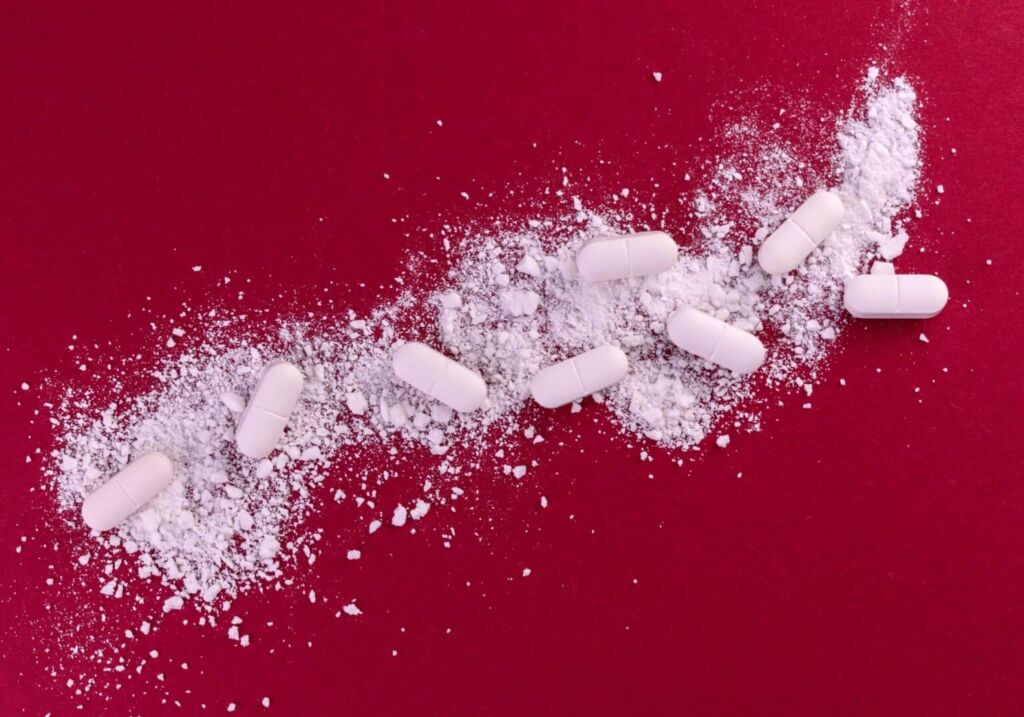
Why People Snort Vyvanse — and What They Expect to Happen
The reasoning behind snorting Vyvanse follows a straightforward logic: other stimulants, when insufflated, bypass gut absorption and deliver the active compound to the brain faster and more intensely. Cocaine, methamphetamine, and immediate-release amphetamines all produce a faster, more intense onset when snorted than when swallowed. The assumption is that Vyvanse will behave the same way.
This expectation is wrong — and specifically wrong because of Vyvanse’s chemistry. Understanding why requires knowing what Vyvanse actually is, and what snorting it therefore actually does.
The Pharmacology That Makes This Fundamentally Different
Vyvanse contains lisdexamfetamine dimesylate — a pharmacologically inert compound that only becomes dextroamphetamine (its active form) when specific enzymes in red blood cells cleave a lysine molecule from it. This conversion happens in the bloodstream, not in the digestive system, not in the liver, and not in the nasal passages.
This is the critical distinction: snorting a drug like cocaine delivers the already-active compound directly through nasal membranes to the bloodstream, producing an immediate effect. Snorting Vyvanse delivers the inactive precursor through nasal membranes to the bloodstream, where it still sits in its inactive form, waiting for the same enzymatic conversion that would have happened after oral absorption anyway.
The nasal route changes where the compound enters the bloodstream — it cannot change the chemistry of what it becomes or how quickly it becomes it.
What Happens the Moment You Snort Vyvanse: Immediate Effects
In Your Nose: Instant Damage
The moment the powder contacts your nasal mucosa, several things begin happening simultaneously:
- Intense burning and pain — the crystalline, pharmaceutical-grade compound is immediately corrosive to the delicate mucosal lining; most users describe significant burning that begins within seconds
- Violent sneezing reflex — the nasal passages attempt to expel the foreign substance
- Immediate inflammation — nasal blood vessels dilate as the immune response activates
- Nosebleed — capillaries in the nasal mucosa rupture from the chemical and mechanical trauma; this occurs on first use in many people
- Drip into the throat — the compound mixes with mucus and drains posteriorly, causing throat burning, gagging, and a bitter, pharmaceutical taste that persists for hours
- Partial blockage — inflammation and swelling narrow the nasal passages, causing immediate stuffiness
In Your Brain: What You Actually Feel
Despite the immediate local pain, the systemic pharmacological effects from snorted Vyvanse are largely indistinguishable from those following oral dosing:
- The expected instant rush does not arrive
- The onset of any pharmacological effect remains 90 minutes to 3 hours from absorption — determined by the blood cell enzymatic conversion rate, not the route of entry
- What users experience instead is the combination of nasal pain and irritation, followed gradually by the same stimulant effects that oral Vyvanse produces: elevated heart rate, increased alertness, dry mouth, reduced appetite
- Many users describe a sense of having been deceived by the drug — the anticipated reward never comes, replaced by discomfort and a building anxiety
What Happens in the Hours That Follow
The Re-Dosing Trap
The absence of the expected rush creates a predictable and dangerous psychological response: the assumption that the dose was insufficient. The person snorts more — often in rapid succession — believing that a larger amount or repeated administration will eventually produce the effect they’re chasing.
What actually happens is a stacking of inactive lisdexamfetamine in the bloodstream — multiple doses simultaneously converting to dextroamphetamine, resulting in blood levels that climb well above any single-dose equivalent. The person is not achieving a controlled high; they are creating a pharmacologically unpredictable overdose scenario with no clear awareness of their total accumulated dose.
This re-dosing trap is one of the primary reasons snorting Vyvanse is associated with significantly elevated overdose risk compared to oral use.
The Erratic Absorption Problem
Oral Vyvanse absorption through the gut is a relatively consistent, well-characterised pharmacokinetic process — the body is designed for this, and the therapeutic dosing range was established based on this route. Nasal absorption through damaged, inflamed, and increasingly compromised mucosa is not:
- Absorption rate varies unpredictably depending on the state of the nasal tissue
- Inflammation reduces effective absorption through some areas while increasing it through damaged vessels in others
- Blood levels following intranasal use are less predictable than oral levels, creating a higher risk of accidentally reaching toxic concentrations
- The person cannot accurately gauge how much they’ve absorbed or when peak levels will arrive
The Cardiovascular Window
As dextroamphetamine levels eventually rise from the accumulated snorted doses, the cardiovascular effects follow — typically more pronounced and less predictable than with oral dosing:
- Heart rate elevates — potentially significantly
- Blood pressure rises
- Body temperature increases
- Anxiety and agitation may be more intense than expected if blood levels have spiked erratically
- In vulnerable individuals, this window carries real risk of arrhythmia, hypertensive event, or cardiac emergency
What Happens to Your Nose Over Time
For those who snort Vyvanse repeatedly, the nasal damage accumulates progressively, tracking through predictable stages:
Early Damage (First Few Weeks)
- Persistent mucosal inflammation — constant stuffiness and runny nose
- Frequent nosebleeds, often spontaneous
- Reduced sense of smell (beginning anosmia)
- Recurring nasal infections as the protective mucosal barrier is compromised
- Throat irritation and chronic cough from posterior drip
Intermediate Damage (Weeks to Months)
- Chronic rhinitis — the persistent inflammation becomes structural rather than reactive
- Mucosal ulceration — open sores form in the nasal passages from repeated chemical injury
- Progressive anosmia — the sense of smell continues deteriorating and may become effectively absent
- Sinusitis — repeated sinus infections that become increasingly resistant to treatment
- Loss of nasal hair (cilia) — the microscopic hairs that clear the nasal passages are destroyed by chemical irritation, eliminating the nose’s primary filtration mechanism
Severe and Potentially Permanent Damage (Months to Years)
- Septal perforation — a hole through the cartilage wall dividing the nasal passages. Initially small and often asymptomatic, perforation can expand to produce a whistling sound when breathing, structural nasal collapse, and significant breathing difficulty
- Septal necrosis — tissue death in the septum from blood supply disruption
- Saddle nose deformity — collapse of the nasal bridge as structural cartilage is lost
- Palatal involvement — in the most severe and prolonged cases, the erosion can extend to the hard palate
- Permanent anosmia — complete, irreversible loss of smell
Many of these structural changes require surgical intervention and cannot be fully corrected regardless of treatment. Stopping use early is the only reliable prevention — damage that has progressed to structural involvement may not heal.
What Happens to Your Risk of Addiction
Snorting Vyvanse does not deliver the rapid, intense dopamine surge that drives the fastest addiction trajectories — but it still meaningfully accelerates the dependency pathway compared to oral therapeutic use:
Why the addiction risk is elevated even without the expected rush:
- The compulsive re-dosing pattern — chasing a rush that never arrives produces binge-like dosing behaviour, which is one of the strongest behavioural predictors of addiction development
- The ritual reinforcement — the physical act of preparing and using a drug through a non-standard route creates behavioural conditioning that strengthens psychological dependency
- Tolerance escalation — the inability to achieve the expected effect drives progressive dose escalation, which downregulates dopamine receptors and worsens the baseline dopamine deficit, creating a deeper neurochemical dependency
- The cognitive distortion — each snorting episode reinforces the belief that more, in a different way, will eventually work — preventing the rational re-evaluation that might otherwise stop the behaviour
The compulsive drive to snort a drug despite knowing it doesn’t produce the desired pharmacological outcome is, itself, a diagnostic marker of substance use disorder.
What Happens to Your Health in Other Ways
Beyond nasal damage and addiction risk, snorting Vyvanse produces other health consequences:
Infection transmission:If drug use involves shared paraphernalia — rolled bills, straws, or other implements — nasal tissue tears from snorting create direct entry points for blood-borne viruses. HIV and hepatitis C transmission through shared snorting paraphernalia is documented and clinically significant.
Dental damage:The combined effects of dry mouth, jaw clenching, and acid reflux from gastrointestinal disturbance associated with heavy stimulant misuse accelerate tooth erosion and decay — a consequence of stimulant misuse broadly, compounded by snorting’s additional gastrointestinal irritation from the drip.
Psychiatric consequences:Heavy Vyvanse misuse through any route can trigger stimulant psychosis — paranoid delusions, hallucinations, and severe agitation — particularly at the elevated doses that snorting’s re-dosing pattern tends to produce. Stimulant-induced psychosis can persist beyond the drug’s clearance and may require psychiatric treatment independent of the substance use.
What to Do If This Is Your Situation Right Now
If you are currently snorting Vyvanse or have been doing so:
- Stop snorting immediately — the nasal damage stops accumulating when use stops. Continuing oral use of your prescription (if prescribed) may still be appropriate; the route is the immediate harm to address
- See your GP or prescriber and disclose the pattern — not to face consequences, but because the treatment plan needs to change and the nasal damage needs medical assessment. Prescribers are required to help, not penalise honesty
- Request an ENT (ear, nose, throat) referral — even early nasal damage benefits from professional assessment and guidance. Structural damage that goes unaddressed can worsen even after stopping
- Call the National Alcohol and Other Drug Hotline: 1800 250 015 — free, confidential, 24/7, Australia-wide. Trained counsellors can guide you toward appropriate local treatment services
- Do not stop Vyvanse abruptly without support if you’ve been using heavily — amphetamine withdrawal produces significant fatigue, depression, and dysphoria that increase relapse risk without structured support
Safety and Important Considerations for Australian Adults
- Snorting Vyvanse constitutes misuse of a Schedule 8 controlled substance in Australia — it violates the conditions under which the prescription was issued and may affect your ongoing access to treatment through that prescriber
- Emergency care for overdose: If re-dosing while snorting has resulted in chest pain, seizures, severe confusion, difficulty breathing, or loss of consciousness, call 000 immediately
- Poisons Information for uncertain situations: 13 11 26 — 24 hours, 7 days a week
- Counterfeit Vyvanse risk — any Vyvanse obtained outside of a legitimate prescription and pharmacy chain may be counterfeit. Counterfeit stimulants in Australia and internationally have been found to contain fentanyl and other adulterants; snorting counterfeit material introduces a rapidly fatal overdose risk entirely separate from lisdexamfetamine toxicology
Common Misconceptions About What Happens When You Snort Vyvanse
Myth 1: “It delivers a stronger and faster effect.”Clinical pharmacokinetic studies show no meaningful difference in peak dextroamphetamine concentration or time to peak between oral and intranasal lisdexamfetamine. The prodrug conversion in red blood cells is the rate-limiting step regardless of route, and nasal membranes cannot perform this enzymatic function. The stronger effect does not arrive. The nasal damage does.
Myth 2: “If it burns, that means it’s absorbing and working.”The burning is tissue damage — not a pharmacological signal that absorption is occurring more effectively. All chemical contact with mucosal tissue causes inflammation and pain. The sensation of burning confirms that the nose is being harmed. It says nothing useful about drug absorption.
Myth 3: “The nasal damage will sort itself out when I stop.”Minor, early-stage mucosal irritation can heal with cessation. Repeated damage leads to chronic rhinitis, significant tissue erosion, and structural changes — particularly septal perforation — that may be permanent or require surgery that cannot fully restore original anatomy. The window for recovery narrows significantly with continued use and time.
Myth 4: “It’s not that dangerous because it’s just a prescription drug.”The prescription reflects safety under oral administration in an appropriate patient population. No aspect of that evaluation applies to intranasal misuse at escalating doses. The nasal damage, overdose risk from stacked re-dosing, and addiction acceleration associated with snorting are harms that prescription status does not prevent or mitigate in any way.
- What happens if you snort Vyvanse Hobart
- What happens if you snort Vyvanse Devonport
- What happens if you snort Vyvanse Launceston
- What happens if you snort Vyvanse Tasmania
- What happens if you snort Vyvanse Victoria
- What happens if you snort Vyvanse Queensland
- What happens if you snort Vyvanse Canberra
- What happens if you snort Vyvanse Australian Capital Territory
- What happens if you snort Vyvanse South Australia
- What happens if you snort Vyvanse New South Wales
- What happens if you snort Vyvanse Darwin
- What happens if you snort Vyvanse Ghan
- What happens if you snort Vyvanse Northern Territory
- What happens if you snort Vyvanse Australia
- What happens if you snort Vyvanse Austria
- What happens if you snort Vyvanse Germany
- What happens if you snort Vyvanse United Kingdom
- What happens if you snort Vyvanse Sweden
- What happens if you snort Vyvanse Denmark
- What happens if you snort Vyvanse Norway
- What happens if you snort Vyvanse Finland
- What happens if you snort Vyvanse Iceland
- What happens if you snort Vyvanse Netherlands
- What happens if you snort Vyvanse Spain
- What happens if you snort Vyvanse Ireland
- What happens if you snort Vyvanse Switzerland
FAQ: People Also Ask About What Happens When You Snort Vyvanse
Does snorting Vyvanse make it stronger?No — not in any pharmacologically meaningful way. Clinical data confirms that intranasal and oral lisdexamfetamine produce comparable peak blood concentrations and comparable onset timing, because the prodrug’s enzymatic activation in red blood cells is the rate-limiting step regardless of route. Users expecting a stronger effect are consistently disappointed — and the disappointment drives dangerous re-dosing.
How quickly does Vyvanse work when snorted?The pharmacologically active form of Vyvanse — dextroamphetamine — still takes 90 minutes to 3 hours to reach meaningful blood levels after lisdexamfetamine enters the bloodstream through nasal absorption, because the prodrug conversion is a time-dependent enzymatic process that cannot be accelerated by changing the route of entry. There is no meaningfully faster onset from snorting compared to swallowing.
What does snorting Vyvanse feel like?Immediately: burning pain, throat drip, and often a nosebleed. Subsequently: the same stimulant effects as oral Vyvanse, arriving on the same timeline — elevated heart rate, reduced appetite, dry mouth, and anxiety — without the expected rush. Many users describe the experience as physically unpleasant, pharmacologically disappointing, and compulsively driven — a combination that is itself a marker of substance use disorder.
Can snorting Vyvanse cause a nosebleed?Yes — nosebleeds are one of the most immediate and consistent consequences of snorting Vyvanse. The crystalline pharmaceutical compound is directly abrasive and chemically corrosive to nasal capillaries, and bleeding occurs on first use in many people. Repeated use produces progressively more frequent and more significant nosebleeds as tissue damage accumulates.
Can snorting Vyvanse cause a hole in your nose?Yes — septal perforation is a documented consequence of repeated intranasal drug use. The nasal septum’s cartilage is vulnerable to sustained chemical injury and blood supply disruption. Progressive damage from repeated insufflation can create perforations that range from small and initially asymptomatic to large, structurally significant defects that produce breathing difficulty and require surgical intervention that may not fully resolve the problem.
What should I do if someone is snorting Vyvanse?If someone is actively snorting Vyvanse and showing overdose symptoms — chest pain, confusion, hallucinations, seizures, or loss of consciousness — call 000 immediately. If they are not currently in acute distress, the most helpful approach involves a non-judgemental conversation acknowledging that they need support rather than shame, and directing them toward the National Alcohol and Other Drug Hotline (1800 250 015) for confidential guidance. If they are a young person in your household, contact your GP for guidance on how to approach the conversation and access appropriate support services.
